Medicare Blog
Latest news, guides, and tips about Medicare and health insurance
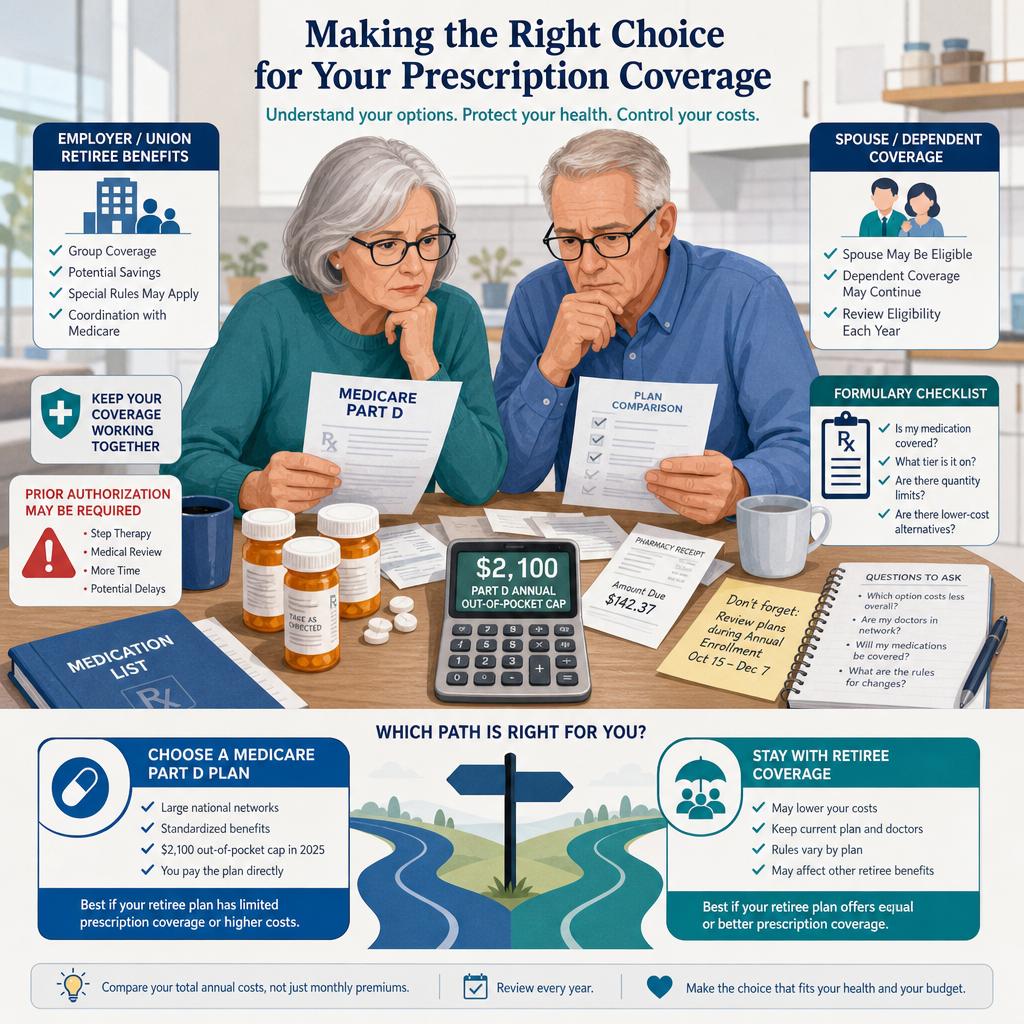
The 2026 Retiree Drug Coverage Comparison After The Part D Cap
The new 2026 Part D out of pocket cap changes the math for retirees who still have employer or union prescription coverage. Before you add, drop, or ignore a Medicare drug plan, you need to understand how one enrollment decision can affect premiums, family coverage, pharmacy access, and future penalties.
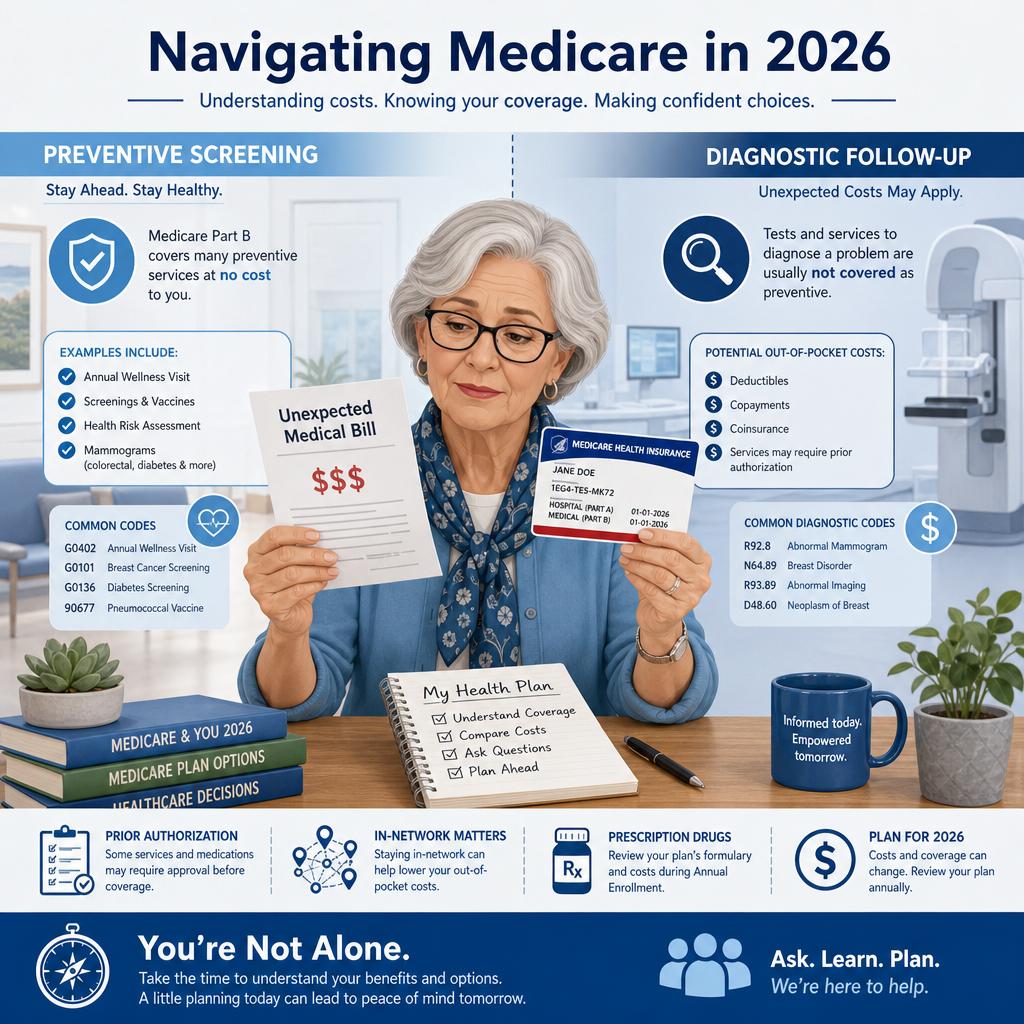
A preventive test may begin as no cost care, but the moment Medicare treats it as diagnostic, your financial exposure can change. In 2026, beneficiaries need to understand how coding, setting, plan type, and follow up care determine whether a screening stays simple or becomes a billable medical episode.
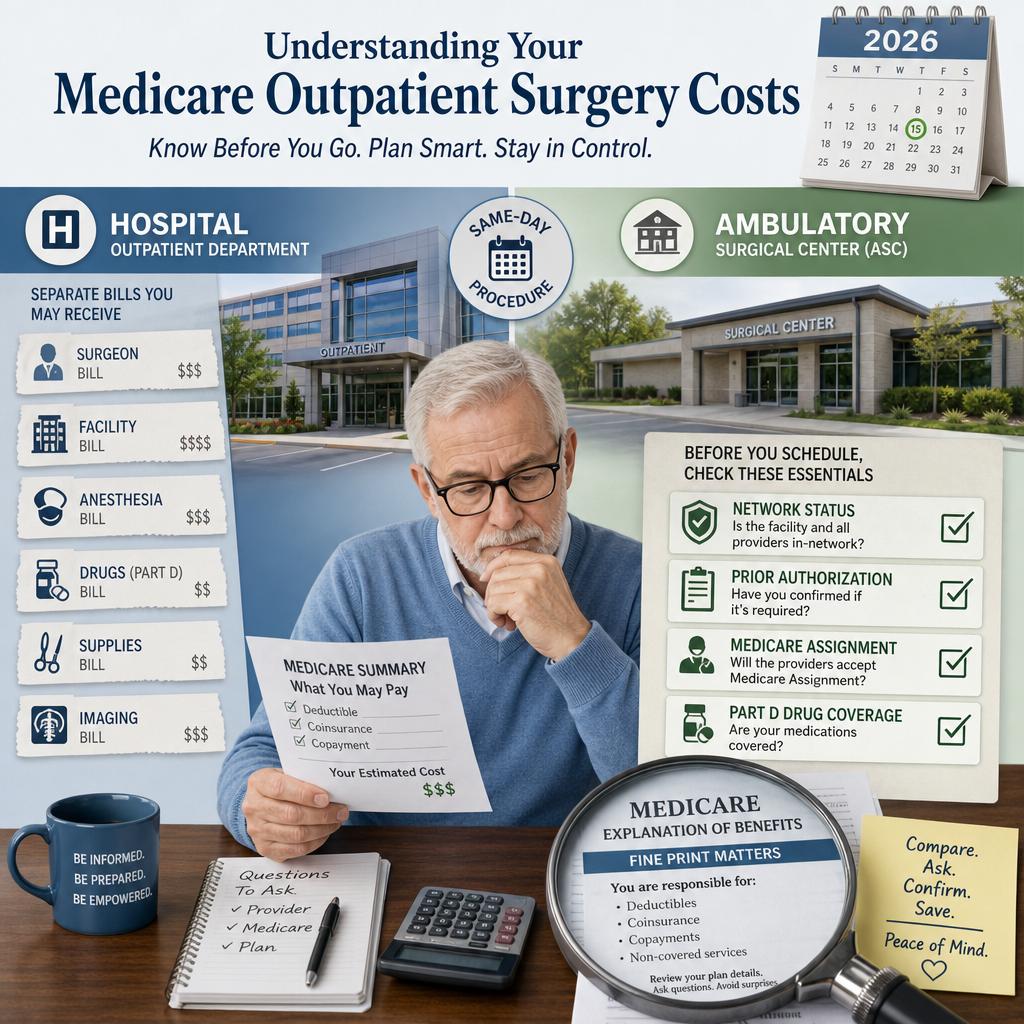
Medicare offers a procedure price lookup tool, but the estimate is only the beginning of the financial story. In 2026, outpatient surgery costs can still shift depending on the facility, physician billing, plan rules, anesthesia, supplies, and whether you are in Original Medicare or Medicare Advantage.

The 2026 Medigap Plan F Eligibility Line Retirees Misread
Plan F still exists in 2026, but not everyone is allowed to buy it. The real question is not whether the plan is popular, but whether your Medicare eligibility date, underwriting status, drug coverage, and future flexibility make it wise.

A newer colorectal cancer screening option can look simple, but Medicare coverage depends on age, risk status, symptoms, test timing, and what happens after a positive result. In 2026, the most expensive mistake may be choosing a convenient test without understanding how the follow up pathway is billed.

Old Medigap Drug Coverage And The 2026 Part D Decision Seniors Should Not Make Alone
Some retirees still carry older Medigap policies with built-in drug coverage, but 2026 Part D changes can make that familiar arrangement harder to evaluate. The risk is not simply paying too much, but accidentally creating a permanent penalty, losing a legacy benefit, or misunderstanding how the new drug cost cap changes the math.