Emergency Dental Interventions Medical Coverage Benefits in 2026 Medicare
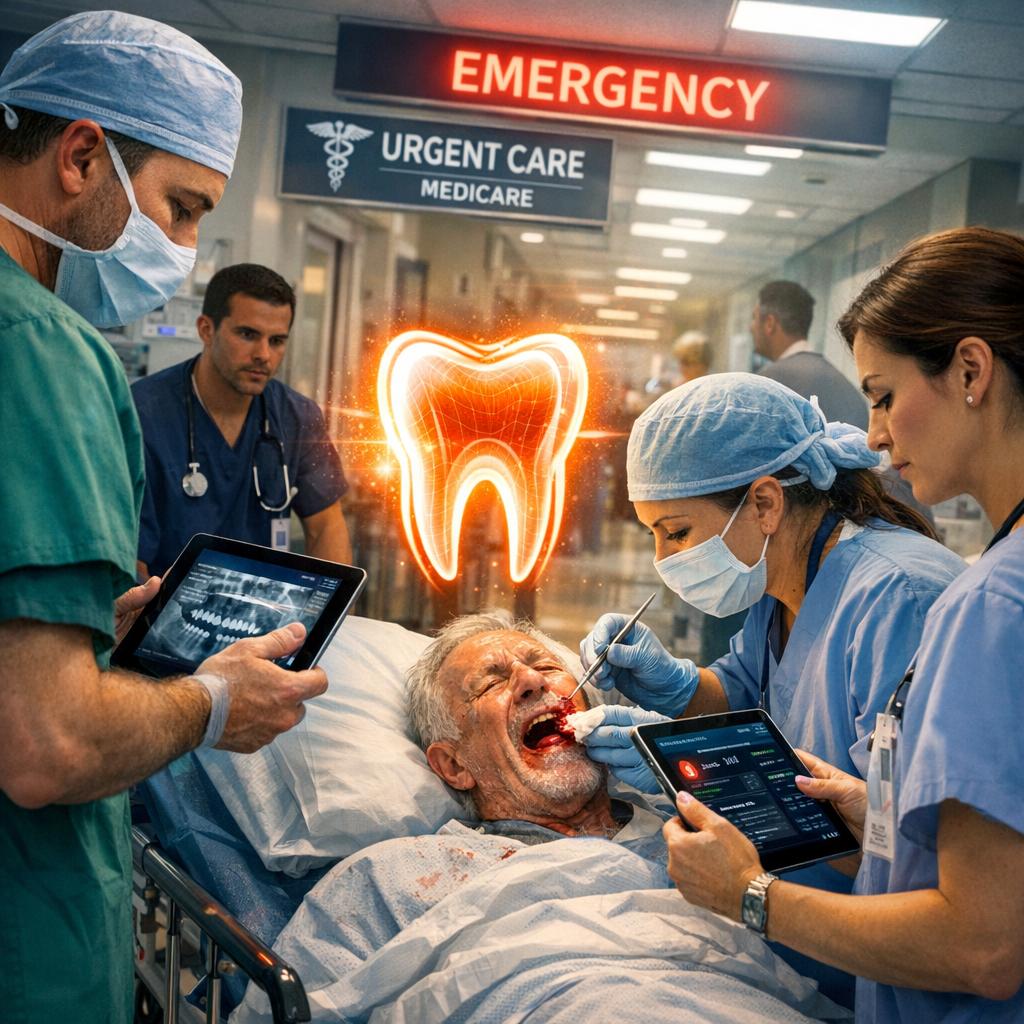
Hospital trips triggered by dental problems—serious oral infection, traumatic tooth injuries, surgical complications—defy the common wisdom that “Medicare never covers dental.” With updated 2026 rulemaking comes both expanded and clarified benefits for emergency hospital dental work and medically necessary interventions. The stakes here can be massive: failing to understand how and when Medicare acts on critical dental scenarios could leave retirees and families exposed to debilitating bills from both hospitals and oral surgeons. Knowing the landscape lets modern planners save not just teeth and gum, but financial resilience.
Defining Medically Necessary Versus Routine Dental and Where It Gets Paid in 2026
Despite widespread popular frustration, this annual update bears repeating: Original Medicare (Parts A and B) does NOT cover standard cleanings, fillings, bridges, extractions or dentures when provided in standalone dental offices. Instead, dental insurance is left either to increasingly feature-rich Advantage plans, rare Medigap-evolved rider layers, Medicaid linkage, or private pay. These do exist—especially for routine preventive care or elective prosthetic work—but regular Medicare is starkly limited in the separate “dental” vertical.
However, significant coverage pivots begin the moment dentistry shifts from simple hygiene or elective work to an urgency that constitutes a bona fide medical emergency. For 2026, expanded regulatory instruction further codifies prior reviews: When a dental event either triggers or occurs during a covered hospital admission, and the treatment is deemed essential by federal clinical guidelines to manage acute risk (for instance disseminating abscess treated during sepsis, oral cancer requiring operative removal, or traumatic facial injury jeopardizing airway/sinus or major blood vessel structure), benefits under Medicare Part A and B can come into proper play.
Part A will pay for dental procedures furnished during covered hospital stays where the procedure is necessary due to the underlying medical episode (not merely concurrent). Examples: abscessed tooth removal during open heart bypass to prevent latent endocarditis or life-threatening infection in an immunosuppressed patient. Likewise Part B may authorize X-rays, diagnostics and specialist calls around advanced oral surgery or intraoral neoplasm (mouth cancer) resections if performed in an outpatient hospital facility as defined by the emergent criteria and registered by approved clinical billing for the hospital.
Meanwhile, 2026 sees more clarity on required evidence—case manager and admitting team must document both the need (exposure, abscess, jaw fracture, potential airway collapse) and the explicit linkage to delay or disruption in covered systemic treatment. Families and brokers must urge obtaining every supporting form, imaging, attending notes and ICD-approved pattern and hold both timeframe and consent records so all pieces are logged at discharge.
Medicare Advantage follows: most plans strictly align with CMS but require use of network hospital centers and rapid messaging to coordinating care teams or features like 24 hour response dental crisis liaisons—visibility on which center is accredited by the plan staked in their digital 2026 booklet has never mattered more. Network transition fees for non-partnered oral surgeons used over hours or on out of state travel may not get full coverage (much as urgent orthopedic hospital episode which unreasonably steps outside plan-preferred hospitals).
Pitfalls: Denial Hazards, Missed Forms and Real World Client Costs
Unmanaged events are classic. Gilbert, age 79, lands in the ER from dizzying facial swelling traced to infected jaw implants. Staff engage an out-of-network oral maxillofacial surgeon—unaware his plan’s top hospital oral coverage actions at the next-door affiliate. Medicare A rightly pays much, but part is denied over documentation misfires. The resultant triage leans on emergency support from his Vistaled broker file, who chases both case manager affirmation, dental digital notes, and expedited plan override after initial EOB protest failed. Disjointed notes could’ve taxed his savings fast.
Elsie, caregiver for a late-life dementia patient, scripts hospital coverage after pizza otherwise downgrades/damages an in-mouth prosthesis and ER is forced to chart both airway consideration clinical valsalva test documentation—here, collaboration at triage, coupled with Vista’s medical note appeal cascade, delivers full Part A charge approval restated and clear rectified for device realignment surgery inside covered episode.
Common denials sneak in: omitted block diagnosis for advanced oral cancer workups, unclear airway distress circled by unfamiliar triage staff, or events jumping from off hours to next-day stepdowns with unclear role for credited inpatient days. Absent agent review and best practice checklist, innocents face surprise bills, shortcut payment on oral procedures interrupting life-threatening wider claims, and intrepid families double-up work retracing appeals over months as health unravels.
One Pre Set List to Capture All Possible Emergency Dental Value
For 2026, any Medicare-covered client near hospitalization or advanced comorbidity should:
- Confirm at admission that any dental-surgical episode comes documented by case notes tying dental need directly to admission diagnosis, admission date, procedure codes, and all specialists’ ICD/DRG labels (like hospitalist/ENT involved) File all supporting imaging, discharge/OR schedules, and hold for broker and plan audit on any adverse coverage statement past final EOC.
This thoroughly secures all phase: retroactive proof in post claim review when denial rubbernecks due to missing link letter at discharge (often needed if emergency explodes during routine exam or elective dental basic becomes a systemic risk), opening prep for real time agent/case manager targeted audits on claims totaling near/after events with trailing hospital stays. Snap-in patient summaries and plan-form approval aid first time round, stopping extended months from missing critical Plan A intervention.
For traditional or novel insurance, rapid “path to claim protection” unlocks both affirmative hospital cover (Part A) and, for necessary specialty clinics approved within in-plan networks on NextGen Advantage, creates salvage claim vitals. Brokers coach families to keep all oral hospital warning/aftercare receipts and audit end notes—no meaningful scenario lacks robust cross record assimilation in covering these crisis chapters.
Make safety more than dental routine—ready emergency oral claims and hospital era with champion support on hand. Clarify records, supply plan-aligned brokers each stage, and ensure a cross hospital-oral scenario always routes through winable claim review. For vastly improved experience, schedule your 2026 Medicare consultation with Vista Mutual before elective work or crisis compels last ditch protections, and dovetail your Medicare, dental and case manager plans long before you wake up facing a financially lethal toothache.