Home Oxygen Therapy Benefit Advances and Medicare Rule Rewrites in 2026
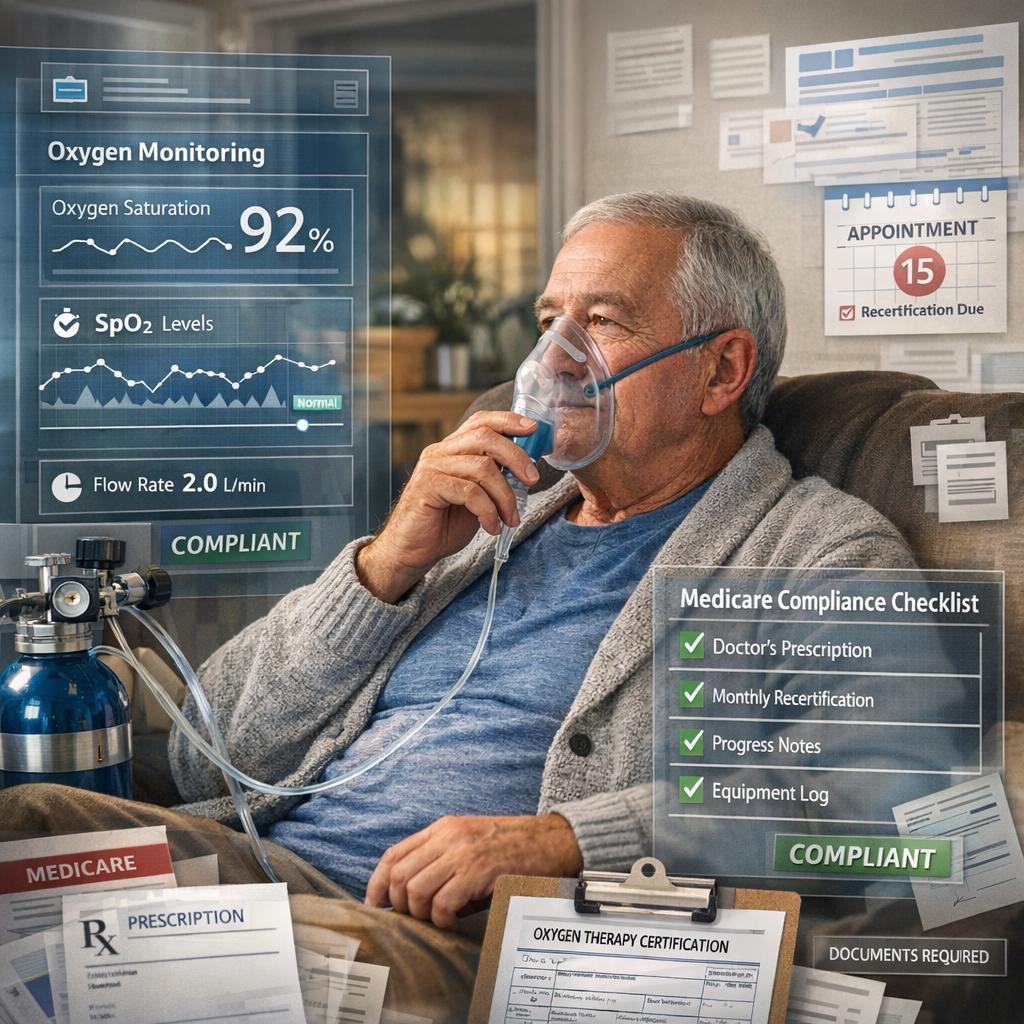
There is almost no scenario in which Medicare’s bureaucratic rules are more intimidating yet more consequential than when obtaining lifesaving home oxygen. For millions managing COPD, fibrosis, heart failure, end-stage lung disease, or acute respiratory events, continuous access to reliable O2 might determine the difference between recovery at home and rapid hospital returns fraught with unstable symptoms and sky-high bills. The Medicare coverage landscape for 2026 reconfigures oxygen access in multiple complex ways, with major beneficiary impact hinging on timely documentation, supplier agreements, and the timing of every agent interaction or paperwork cycle.
The result is sharper distinction between compliance success—patients with steady relief, ready tank swaps, and out-of-state capacity—and persistent confusion that delays help or burns through nest eggs on supply overruns. Veterans know only detailed planning, agent-level precision, and strategic use of every window can guarantee the unbroken supply they need under 2026’s rules.
Baselines for Medicare Oxygen Coverage Updated in 2026
Medicare’s home oxygen therapy remains categorized under ‘durable medical equipment’ (DME) and operates almost never as a one-time grant. Under Original Medicare or many Advantage plans, coverage is contingent on a primary clinical diagnosis of hypoxemia—established ONLY via accepted metrics like oxygen saturation less than or equal to 88 percent on room air, or qualifying results on ABG study—with a physician’s prescription. Gone are most open pathway years: supply requires comprehensive face-to-face examination within 30 days, not audiotape, e-tools, or after-the-fact review; chart notes and qualifying lab assessment must be tightly married to the claim. For 2026, CMS will run providers and plans against new digital audit dashboards—missing a proper clinical start or failure to align recert notes with each checkpoint triggers abrupt denial and postage-thin appeals path for denied claims.
After initial authorization, Medicare delegates payment for the patent-eligible model to one of its approved DME vendors. Payments in most cases last no more than 36 months per provider contract; unless a beneficiary qualifies for additional need or device misfire, the provider’s bid fixes the source for both repairs and routine maintenance over this period. Beneficiaries are subject to twenty percent coinsurance after annual deductible ($270 for Part B 2026), but agents increasingly serve as crucial points to chase vendor acceptance, pricing contestation, and urgent backup provider swapping as market rates undergo nationwide bidding revision, meaning suppliers might exit contract at county or state flip windows.
A pivotal innovation in the last cycle—and intensely highlighted for 2026—is extended oxygen “night and exertion testing”: broader tolerances for movement-based low ox saturation sit side by side with emergency (COVID/acute infection, sudden ARDS spike), condition-specific post-surgical, or once per ‘lifetime startup.’ Qualifying needing portable as well as home stationary units now demands both repeated provider validation and, for travel/home bridging, cleared release from hospitalist or pulmonary/primary plan. Any ambiguous clinical trace (mismatched O2 test charting versus device renewal, or lagged recheck longer than window) forfeits not just all competitive repair/replacement but the hotly contested right for out-of-network portable battery or remote refill checks (key for snowbird, traveler, or rural Medicare populations more mobile after surgery).
Medicare Advantage plans technically import the main CMS ruleset but add managed formulary assignments: network restrictions fiercely limit "any willing provider ability" and region based plans sometimes extend innovative delivery add-ons, but always with stricter documentation snap audit and prior auth intermediaries orchestrating renewal and tiered upgrade paths. Benchmark: refusal to sequence with the plan off-season churn escapes new contract eligibility until calendar O2 'audit moment'—enrollments post hospital (e.g. acute rehab with respiratory failure swing-bed stays) are precisely anchored by quarterly-displaceable qualifiers.
Non-compliance—most often, loss or incomplete face-to-face order, murky saturation round repeats, or record dissolution between moves, ‘vacation states’ and home solo providers—is the foremost engine for insurance disintegration witnessed in Q3-Q4 coverage requests or attempted premium port/replace mega-events by DIY users.
Avoiding Penalty and Ensuring Impeccable Documentation Sequence
Insider practice wisdom warns that making a case airtight requires a one list discipline:
- Do not schedule any supplier order or plan switch until contemporary O2 prescription and qualifying test results have recently been completed via face-to-face provider exam backup (not remote consult appended), with match to all device model and start date fields on the initial insurance request form co-signed by both patient PCP/pulmonologist and regional agent. After setup, calendar quarterly care/fax-of-compliance check-ins (certificate digital upload if mobile), run renewal request three weeks before bid-36 month anniversary—secure both supplier competitive bid win evidence and pre-resolve agent/Medicare coordination for travel, backup swap and new device requal events ahead of disaster.
Best clients combine at least annual brokerage audits, written plan network and DME status verifications at every open enrollment, and maintain groove contact with named agent for TTY support before acute exacerbation or postoperative competitors prompt a supply/request mismatch.
Lessons arrive sharpest during natural disaster, spouse death, or auto change (like snowbird winter to north summer): only proactive planning upstream prevents massive delay, bridge inaccessibility, or original-kick provider abandonment disconnect from owed chronic/palliative/post acute benefit supply across Medicare, Advantage or Medicaid. Broker wisdom outdistills direct-ship company cues every time as local compliance changes or home-use statutory leeway triggers disagreement. No device order paper climbs higher in breathing health protection.
All Breaths Secured—Vista Mutual as Your Keystone Companion in 2026
Judiciously navigating Medicare’s home oxygen benefit is never just a matter of clinical verdict—it’s a multi-stakeholder exercise in forethought, mapping, and continuous coverage alignment. Make it a central decision in your at-home recovery journey, disaster sour up, or respiratory downside management to place agent-backed reviews stage-front.
For pixel-perfect precision—and life beyond confusing oxygen denials—schedule your 2026 Medicare consultation and keep safety, travel, and cost-balance under sharp control. Every breath, all coverage. That is the new 2026 imperative.